Paws on the Cliffs: Everything You Need to Know About Visiting Sunset Cliffs With Your Dog
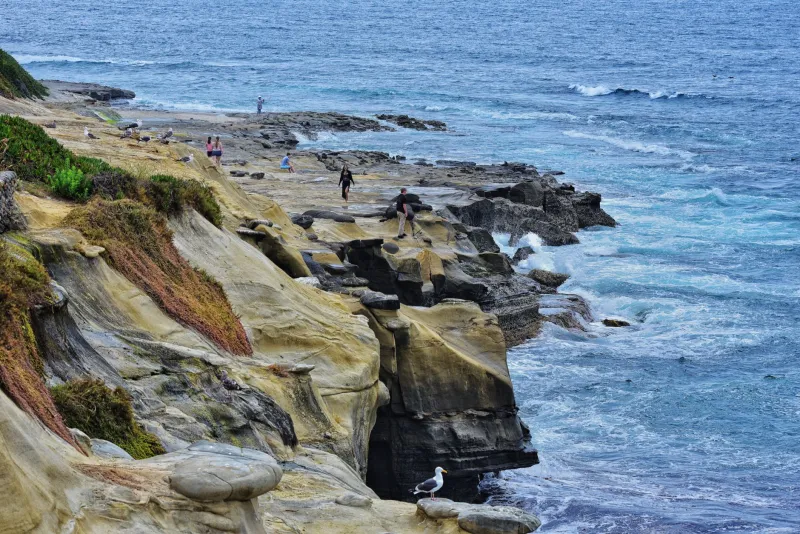
Let's be honest — everything is better when your dog is there. The salty breeze, the crashing waves, the golden light hitting the ocean just right. And if you've ever stood at Sunset Cliffs and thought, I wish my pup could see this, you're not alone. Plenty of San Diego locals bring their dogs along for the ride, and with a little preparation, it can be a genuinely great experience for both of you.
But Sunset Cliffs isn't your average dog park. The terrain is rugged, the edges are real, and the rules matter. Here's everything you need to know before you leash up and head out.
Know the Rules Before You Go
First things first: Sunset Cliffs Natural Park is a city park, which means San Diego's standard leash laws apply. Dogs must be on a leash no longer than eight feet at all times. There are no designated off-leash areas within the park itself, so if you were hoping to let your pup run free along the bluffs, that's a no-go.
This isn't just a technicality — it's genuinely important for safety. The cliffs drop sharply in many spots, and an excited dog chasing a seagull near an unguarded edge is a scenario nobody wants. Rangers do patrol the area, and citations are issued, so it's worth taking the rule seriously.
If your dog absolutely needs some off-leash time before or after your visit, Dusty Rhodes Park is just a short drive away and has a dedicated dog park where pups can stretch their legs freely. It's a solid option for burning off energy before hitting the cliffs.
Best Areas to Walk With Your Dog
Not every section of Sunset Cliffs is equally dog-friendly, and knowing where to go makes a big difference.
The paved pathway along Sunset Cliffs Boulevard is your best bet for a comfortable, manageable walk with a dog. It runs along the top of the bluffs from Ladera Street down toward the southern end of the park, and it's wide enough that you won't feel like you're constantly pulling your pup away from the edge. The views are stunning, the footing is solid, and it's easy to manage even if your dog is on the larger or more excitable side.
If you want to explore the lower rocky areas near the tide pools and sea caves, proceed with caution. The lava rock is uneven, slippery when wet, and genuinely hard on paw pads. Some dogs handle it fine; others struggle. If your dog is older, has joint issues, or isn't used to scrambling over rocks, stick to the upper path. And always check the tide schedule before heading down — rising water can move fast and cut off access points quickly.
The northern end of the park near Adele Street tends to be a bit quieter and offers some grassy patches that dogs seem to love. It's a good spot to let your pup sniff around without the heavier foot traffic you'll find near the main viewing areas.
Timing Your Visit for Your Pet's Comfort
San Diego's weather is famously mild, but that doesn't mean every hour of every day is equally comfortable for a dog at the cliffs.
Early mornings are ideal. The air is cool, the pavement hasn't had a chance to heat up, and the crowds are thin. If you can get there before 9 a.m., you'll have a much more relaxed experience — and so will your dog. Sunset visits are beautiful but tend to draw big crowds, which can be stressful for dogs that don't love being surrounded by strangers.
Avoid midday in summer. The dark lava rock absorbs heat aggressively, and the exposed pavement along the boulevard can get hot enough to burn paw pads. A quick test: if it's too hot for the back of your hand, it's too hot for your dog's feet. Stick to early morning or early evening visits during the warmer months (roughly June through September).
Winter visits are actually a hidden gem for pet parents. Temperatures are comfortable, crowds are smaller, and the dramatic wave action during swell season makes for an impressive backdrop. Just keep your dog away from the lower rocks when the surf is big — rogue waves are a real hazard.
Practical Gear and Supplies to Bring
A little preparation goes a long way when you're navigating a rocky coastal park with a pet in tow.
- Water and a collapsible bowl. There are no water stations inside the park itself, so bring more than you think you'll need. Dogs can get dehydrated faster than you'd expect in the sun and salt air.
- Booties or paw wax. If you're planning to explore the rocky lower areas, paw protection is worth considering, especially on hot days.
- Waste bags. Pack more than one. There are some trash cans along the boulevard, but they're not always convenient, so be prepared to carry bags for a bit.
- A short, sturdy leash. A retractable leash is a liability near cliff edges. A fixed four-to-six-foot leash gives you much better control.
- Towel. If your dog manages to get into any tide pool water or wet rocks, a quick dry-off before getting in the car is a good idea.
Nearby Pet-Friendly Amenities
Once you've finished your walk, there are a few spots in the area worth knowing about.
Ocean Beach (just north of Sunset Cliffs) is one of San Diego's most dog-friendly neighborhoods, and it has a well-loved off-leash dog beach at the north end — one of the few in the city. It's a fantastic add-on to a Sunset Cliffs visit if your pup loves the water.
Several cafes and restaurants along Newport Avenue in Ocean Beach have dog-friendly patios, so you can grab a post-walk coffee or bite without leaving your pup in the car. Raglan Public House and a handful of other spots along the strip regularly welcome four-legged guests on their outdoor seating.
For any pet supply needs, there are pet stores within a few miles in the OB and Point Loma areas, and several local vets in case of any minor trail-related scrapes or issues.
A Few Words on Cliff Edge Safety
This deserves its own mention because it's that important. Sunset Cliffs has had serious accidents over the years — some involving people, and some involving pets. The edges are not fenced in most areas, and the rock can crumble without warning. Keep your dog on a short leash and away from the edge at all times, no matter how calm or well-trained they are. A startled dog can move faster than you can react.
If your dog is reactive to other dogs, birds, or sudden sounds (waves crashing, kids shouting), consider visiting during off-peak hours when the path is less crowded and there are fewer potential triggers.
The Bottom Line
Sunset Cliffs and dogs can absolutely go together — with the right expectations and a bit of planning. Stick to the paved path, bring plenty of water, time your visit for cooler parts of the day, and keep your pup close to the edge. Do all that, and you've got the makings of a genuinely memorable outing for both of you. There's something pretty special about watching the Pacific roll in while your dog sits next to you, ears back in the breeze, completely content. That's a good day by any measure.