Don't Let the View Fool You: A Real Talk Safety Guide for Sunset Cliffs
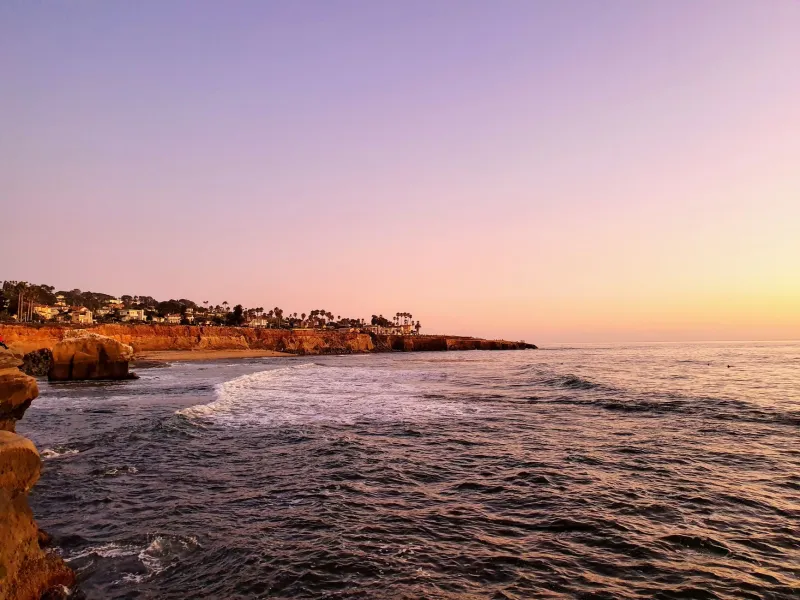
There's a reason Sunset Cliffs Natural Park ends up on every San Diego bucket list. The jagged sandstone bluffs, the turquoise water churning below, the sunsets that look almost too good to be real — it's genuinely breathtaking. But that same dramatic geology that makes this place so photogenic is also what makes it genuinely dangerous if you're not paying attention.
Every year, visitors get hurt here. Some incidents are minor. Others are not. The good news? Most accidents are entirely preventable with a little preparation and a healthy respect for what you're dealing with. So let's get into it.
The Cliffs Themselves Are the Biggest Hazard
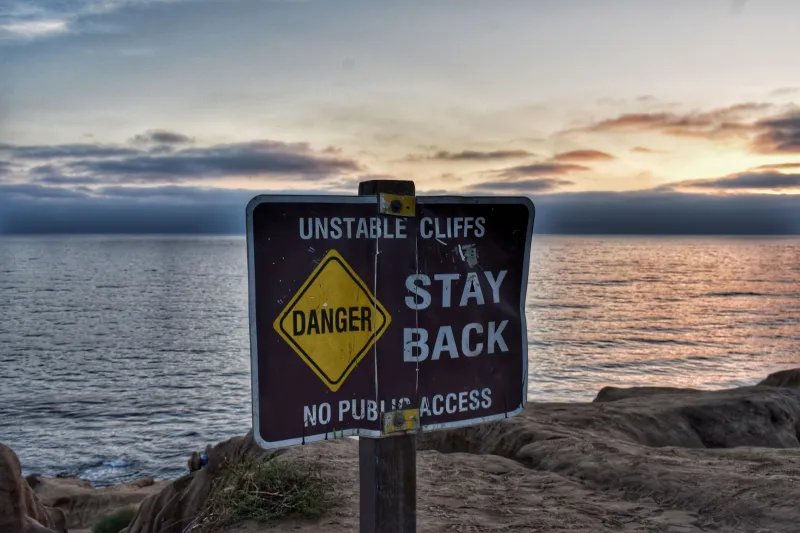
This might sound obvious, but it's worth spelling out: the cliffs at Sunset Cliffs are actively eroding. The sandstone and mudstone that make up these bluffs are soft and unstable, and sections can — and do — break off without warning. That goes for the edges you're standing on, the walls you might lean against, and the rocks below.
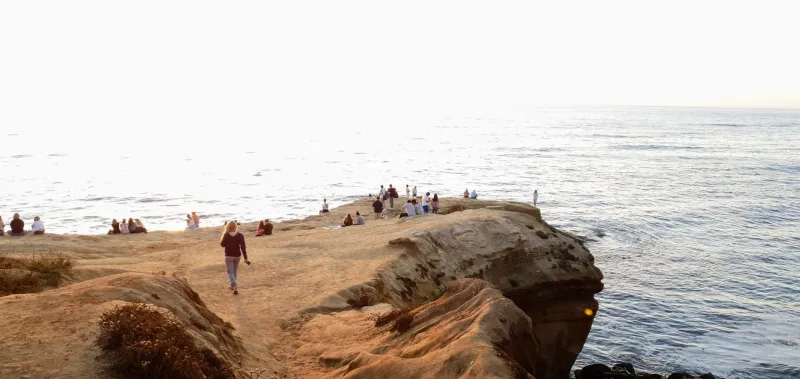
The fencing and barriers along the park are there for a reason. Climbing over them for a better photo op or to get closer to the water is one of the most common ways people end up in serious trouble. Even ground that looks solid can be undercut by wave action or weakened by recent rain. If the edge looks close, it's already too close.
A good rule of thumb: stay at least six feet back from any unfenced cliff edge, and more if the ground looks cracked or sandy. If you're visiting with kids, keep them within arm's reach near any overlook.
Rip Currents and Wave Surge: The Hidden Threats Below
The water at Sunset Cliffs isn't a beach — there's no gentle slope into the surf, no lifeguard tower, and no easy way out if you get pulled in. The coves and channels between the rocks can funnel water into powerful rip currents that move fast and unpredictably.
Wave surge is equally sneaky. A wave that looks manageable from above can wash over a rock platform with enough force to knock an adult off their feet. This happens most often when people climb down to explore the lower rock shelves or try to get closer to tide pools. The water doesn't telegraph what it's about to do.
If you do end up in the water unexpectedly:
- Don't fight the current. Swim parallel to shore until you're out of the pull, then angle back in.
- Signal for help if you're in distress — wave one arm and call out.
- Call 911 immediately — San Diego Fire-Rescue responds to ocean emergencies in this area.
There are no lifeguards stationed at Sunset Cliffs Natural Park. That's not a small detail.
Weather Changes the Game Completely
San Diego's reputation for perfect weather is mostly deserved, but the coast operates by its own rules. Morning fog can make the cliff paths slippery and reduce visibility. Winter swells — especially between November and March — dramatically increase wave height and the reach of surge onto the rocks. What's a safe viewing spot in July might be actively hazardous in January.
Check the surf report before you go, not just the weather forecast. Websites like Surfline give you swell height and period data that's actually useful for understanding what conditions will look like at the water's edge. If the surf is running over eight feet, treat the lower rock areas as off-limits unless you're an experienced local who knows exactly what you're doing.
After rain, the clay-rich soil along the paths gets slick fast. Give it a day or two to dry out before hiking anywhere near the edge.
What the Park Actually Allows (and What It Doesn't)
Sunset Cliffs Natural Park is managed by the City of San Diego. Cliff jumping is illegal and carries a fine — and beyond the legal issue, it's genuinely dangerous given the unpredictable underwater rock formations. Camping isn't permitted. Alcohol in glass containers is prohibited.
The park is open from sunrise to 10 p.m. Going after hours isn't just against the rules; it's when a lot of accidents happen, since visibility drops and the terrain is much harder to read in the dark.
Parking along Sunset Cliffs Boulevard can get tight, especially on weekends. Don't leave valuables in your car — break-ins do happen in this area.
Debunking a Few Common Myths
"It's only dangerous if you're being reckless." Not true. The erosion and wave surge at Sunset Cliffs can catch cautious, experienced people off guard. Conditions change quickly.
"The local surfers swim there, so it must be fine." Locals who get in the water here know this coastline intimately and have spent years learning its rhythms. That knowledge isn't transferable on your first visit.
"It's a short fall, so it can't be that bad." The drop from the cliff tops to the water varies, but even a shorter fall onto rock or into shallow, churning surf can be fatal.
Emergency Resources to Know Before You Go
- Emergency: 911 (San Diego Fire-Rescue handles ocean rescues)
- San Diego Police Non-Emergency: (619) 531-2000
- Nearest Hospital: UCSD Medical Center, approximately 10 minutes away
- Park Information: City of San Diego Park & Recreation, (619) 235-1169
Save these before you leave the house. Cell signal can be spotty along parts of the park.
Go, Enjoy, Just Be Smart About It
None of this is meant to scare you away from one of the most beautiful spots in Southern California. Thousands of people visit Sunset Cliffs every week without incident, and with good reason — it's spectacular. The goal here is just to make sure you're one of the people who goes home with great memories and great photos, not a cautionary tale.
Stay on the marked paths. Respect the barriers. Watch the water. And if something looks sketchy, trust that instinct. The view from a safe distance is still pretty incredible.