Loved to the Brink: How Viral Fame Is Reshaping the Sunset Cliffs Experience
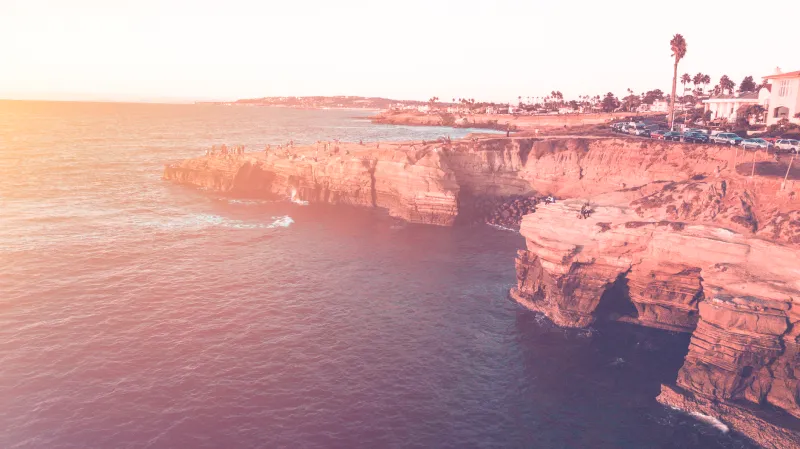
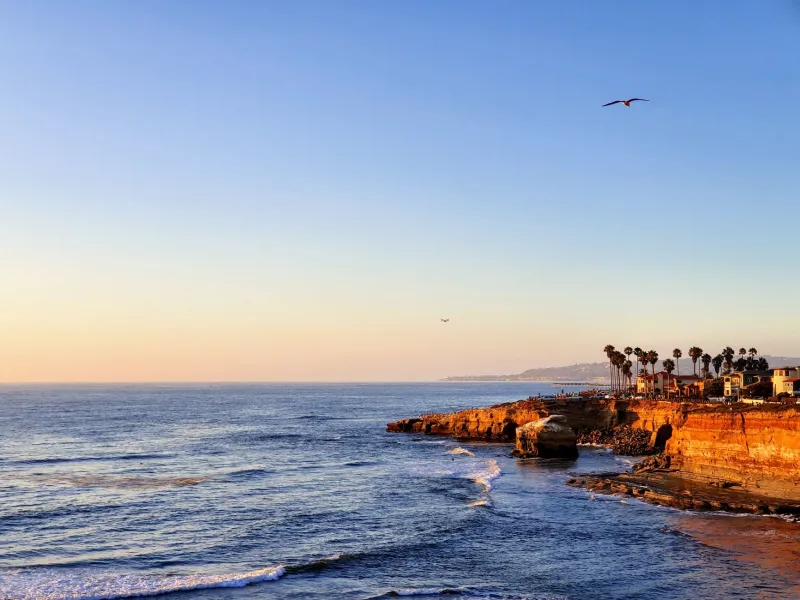
There's a photo that's made the rounds on Instagram so many times it almost feels like wallpaper. You know the one — golden hour light, jagged lava rock, the Pacific stretching out forever. It's gorgeous. It's also, in a very real way, part of the problem.
Sunset Cliffs Natural Park has been a San Diego treasure for generations. But somewhere between the first viral post and the ten-millionth tagged photo, something shifted. The park that locals once treated like a quiet neighborhood secret is now pulling in visitors from across the country — and increasingly, from around the world. And the cliffs themselves are starting to show the strain.
The Numbers Don't Lie
The San Diego Park and Recreation Department doesn't publish exact visitor counts for Sunset Cliffs, but anyone who's tried to find parking on a Sunday afternoon in July already knows the story. Cabrillo Boulevard backs up for blocks. The small lots near Ladera Street fill up before 9 a.m. on peak weekend days. Rideshare drop-offs clog the narrow residential streets that border the park.
Long-time Ocean Beach residents have watched this transformation play out in real time. "It used to be that you'd come down here on a Tuesday evening and have a whole stretch of cliffs to yourself," says one OB local who's lived two blocks from the park for over a decade. "Now there's no such thing as an off day. Every day is a busy day."
Park rangers echo that sentiment. Staff who patrol the area report that peak season — which has quietly expanded from a few summer months to nearly year-round — brings consistent pressure on both the natural environment and the surrounding neighborhood infrastructure. Foot traffic has worn down vegetation along unofficial trails. Trash accumulates faster than volunteer crews can clear it. And the sound of waves crashing below the cliffs now competes with the buzz of drone rotors.
What the Cliffs Are Actually Losing
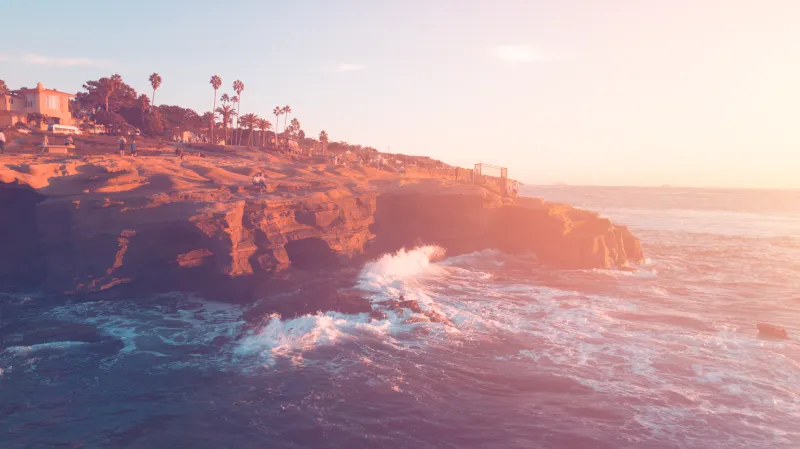
The geology of Sunset Cliffs is spectacular precisely because it's fragile. The sea caves, arches, and blowholes that make this place so photogenic were carved by thousands of years of wave action working on relatively soft sandstone and basalt. That same softness makes the cliff edges unstable — and every foot that steps too close to the edge chips away at the margin.
Conservation advocates working with the San Diego Coastkeeper organization point out that erosion at Sunset Cliffs is a natural process, but human activity accelerates it significantly. Foot traffic compacts the soil, kills native coastal scrub, and destabilizes the cliff face. When visitors hop fences to reach a better camera angle or scramble down unofficial paths to get closer to the water, they're not just risking their own safety — they're actively contributing to the degradation of the landscape they came to see.
"The irony is real," one coastal ecologist familiar with the site put it bluntly. "People are loving this place in a way that's slowly destroying what makes it worth loving."
The tide pools, which host sea stars, anemones, hermit crabs, and dozens of other species, are particularly vulnerable. Repeated foot traffic across intertidal zones crushes organisms that can take years to recover. Touching or collecting anything from the tide pools is illegal under California state law, but enforcement is difficult when ranger staff are stretched thin across a park that sees visitors from dawn to well past dusk.
The Parking Problem Nobody Has Fully Solved
Ask any ranger or city planner about the biggest logistical headache at Sunset Cliffs and parking comes up almost immediately. The park sits in a residential neighborhood with limited street parking and no large dedicated lots. As visitor numbers have climbed, so has the friction with nearby homeowners who find their driveways blocked and their streets gridlocked on weekends.
The city has explored several options over the years, including shuttle services from remote lots and timed parking restrictions. Some of these measures have helped at the margins, but no single solution has kept pace with demand. The most effective thing individual visitors can do right now is simply plan differently — arrive early on weekdays, use rideshare or bike, and avoid the 4–7 p.m. golden hour window on weekend evenings if you're not willing to circle for parking indefinitely.
What Responsible Visitors Actually Look Like
Here's the thing: none of this means you shouldn't visit Sunset Cliffs. It means you should visit thoughtfully. There's a real difference between a visitor who shows up informed and one who shows up just chasing a shot they saw on social media.
Rangers and conservation groups have identified a handful of behaviors that make the biggest difference:
Stay on marked trails and paved paths. The fenced-off areas exist because the ground beyond them is genuinely dangerous and ecologically sensitive. No photo is worth a cliff collapse — or a citation.
Pack out everything you bring in. The park has trash cans, but they overflow quickly on busy days. Carrying a small bag for your own waste keeps the place cleaner for everyone.
Leave the tide pools alone. Look, photograph, admire — but don't touch, don't collect, and definitely don't walk across them.
Skip the drone. Drones are prohibited in the park without a permit. Beyond the legal issue, they disturb wildlife and shatter the atmosphere for every other visitor around you.
Come at off-peak times. Weekday mornings are genuinely magical at Sunset Cliffs — less crowded, softer light, and a chance to actually hear the ocean instead of the crowd.
The Bigger Picture
Sunset Cliffs isn't unique in facing this kind of pressure. From Antelope Canyon to the Na Pali Coast, social media has fundamentally changed the relationship between iconic natural places and the people who visit them. The question isn't whether Instagram and TikTok will keep sending visitors — they will. The question is whether those visitors arrive as passive consumers or as people who genuinely care about what they're experiencing.
Local conservation groups like the Sunset Cliffs Natural Park Council do ongoing restoration work and welcome volunteers. If you're a frequent visitor or planning a longer stay in San Diego, spending a morning on a restoration project is one of the most meaningful things you can do for a place that's given you so much.
The cliffs have been here for millennia. With a little collective effort, they can stay spectacular for the visitors — and the Instagram feeds — of future generations. But that only happens if the people showing up today decide to be more than just an audience.
Sunset Cliffs deserves that. So does everyone who comes after you.