Why Even a Quick Stop at Sunset Cliffs Has a Way of Hijacking Your Entire San Diego Trip
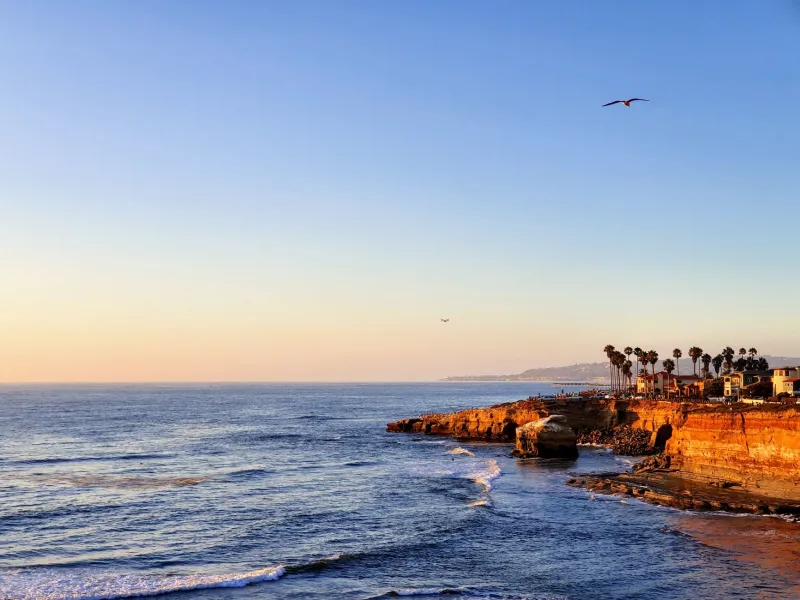
You had a plan. A solid one, even. Balboa Park in the morning, the Gaslamp Quarter for lunch, maybe a swing through Little Italy before dinner. Sunset Cliffs was supposed to be a quick detour—fifteen minutes to snap a photo, check the box, move on.
That was three hours ago. You're still here. And you're already pulling up your hotel's cancellation policy because tomorrow's schedule suddenly feels completely negotiable.
If this sounds familiar, you're not alone. There's something about this stretch of coastline in Ocean Beach that doesn't just impress visitors—it quietly reorganizes them. Scientists, psychologists, and more than a few bewildered tourists have started paying attention to exactly why that happens.
What Your Brain Does When It Encounters Something This Big
There's a specific emotional state researchers call awe—that feeling of encountering something so vast or so beautiful that it briefly short-circuits your normal thought patterns. It's the same response people report at the Grand Canyon, or watching a thunderstorm roll across the plains, or standing at the base of a giant redwood.
Sunset Cliffs triggers it reliably.
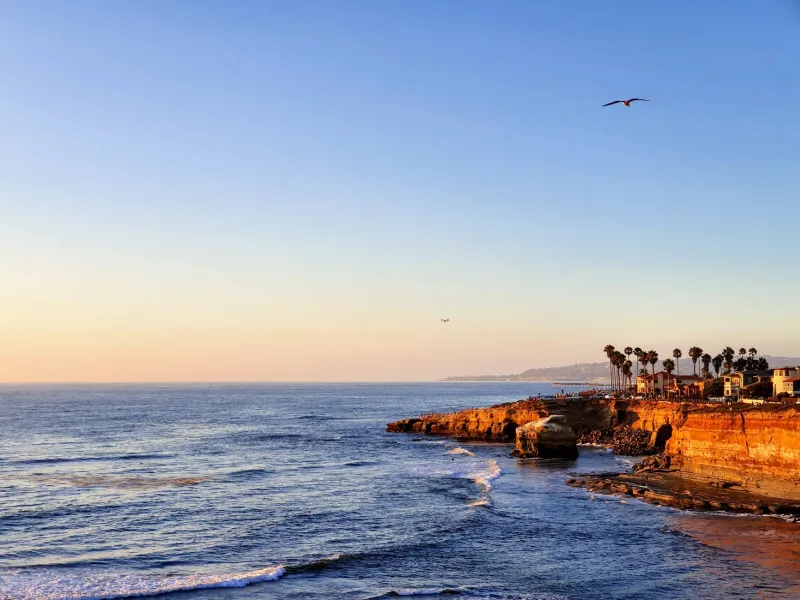
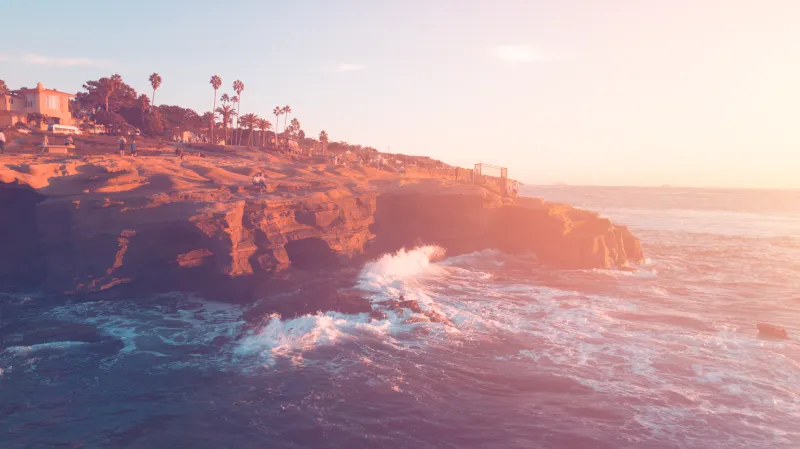
The combination of raw elements here is hard to replicate: volcanic rock formations dropping forty feet into churning Pacific surf, the unobstructed horizon stretching to infinity, sea caves that moan and exhale with each incoming wave. Your brain, which spends most of its time managing a to-do list, suddenly has nothing to manage. The scale of what you're looking at makes every pending task feel genuinely small.
Neuroscience researchers studying awe have found that this state doesn't just feel good in the moment—it actually shifts how people make decisions for hours afterward. People who've experienced awe tend to be more patient, more willing to slow down, and more likely to deviate from rigid plans. In other words, standing at the edge of these cliffs doesn't just change your afternoon. It changes your entire decision-making operating system for the rest of the day.
The Loop That Keeps Pulling You Back
Here's where it gets interesting. Most visitors to San Diego operate on a fairly predictable itinerary logic: see a thing, appreciate it, move on to the next thing. Sunset Cliffs disrupts that loop almost immediately.
Part of it is the light. This coastline faces almost due west, which means it catches the sun at an angle that transforms every hour leading up to sunset. Come at noon and the ocean is a flat, blinding sheet of silver. Return at 4 p.m. and the same water has turned deep teal. Come back at golden hour and the whole scene looks like someone cranked up the saturation on reality itself. Visitors who arrive mid-afternoon often stay through sunset almost involuntarily—not because they planned to, but because leaving feels like walking out of a movie before the best part.
Then there's the sensory dimension that photos simply can't capture. The sound of waves compressing into the sea caves beneath your feet, the fine mist that drifts up from the surge channels, the smell of salt and kelp that hits differently here than at any other beach in the city. These details don't register in Instagram posts, which means people who've only seen Sunset Cliffs on a screen are almost always caught off guard by how physical the experience is. That surprise creates a kind of recalibration—suddenly the curated highlights reel in your head gets replaced by something more immediate and real.
Why Your Original Itinerary Never Really Stood a Chance
Talk to any frequent visitor to San Diego—or better yet, talk to a local—and you'll hear the same story told a dozen different ways. The couple who planned one quick sunset stop and ended up skipping their dinner reservation. The solo traveler who came for an hour and stayed until the stars came out. The family that budgeted thirty minutes and found themselves back the next morning before anyone else was awake.
This isn't a fluke. It's the predictable result of encountering a place that rewards patience in a way that most tourist attractions simply don't. The more time you give Sunset Cliffs, the more it gives back. The light shifts. The tide changes. New people arrive and find their own quiet corners of the rock. A pelican lands six feet away and studies the water with complete indifference to your presence.
There's also a social dimension worth noting. Strangers talk to each other here in ways that don't happen at most San Diego landmarks. Maybe it's the shared experience of watching something genuinely beautiful, or maybe it's the fact that the layout of the cliffs naturally gathers people at the same overlooks. Either way, it creates the kind of easy, unforced conversation that makes a place feel less like a destination and more like a community. And communities are harder to leave than attractions.
How to Let It Work on You (Instead of Fighting It)
The best thing you can do when you arrive at Sunset Cliffs is give yourself permission to throw the schedule out. Not forever—just for this stretch of coastline.
Leave the car at one of the pullouts along Sunset Cliffs Boulevard and walk north or south without a specific endpoint in mind. Find a flat rock that isn't too close to the edge and just sit with it for a while. Notice what the ocean sounds like when you stop trying to photograph it. Watch the light change on the water. Let the agenda loosen.
If you've got flexibility in your trip, consider building in a second visit at a completely different time of day than your first. The morning version of Sunset Cliffs—quiet, cool, often foggy—feels like a different place entirely from the golden-hour version that fills up with photographers and couples and people who drove across the city specifically for the view. Both are worth your time.
And if you find yourself rearranging tomorrow's plans to come back? Don't fight it. That's not a failure of discipline. That's just Sunset Cliffs doing what it does.
The Part Nobody Warns You About
Here's the thing about this place that most travel guides won't tell you: the effect doesn't fully wear off when you leave. Visitors consistently report that after spending real time at Sunset Cliffs, the rest of San Diego looks a little different. The city feels more layered, more interesting, more worth exploring slowly rather than efficiently.
That's the real souvenir. Not the photo on your phone, but the slight recalibration in how you move through the rest of your trip—and maybe, if you're lucky, a little bit of the rest of your life too.