How Locals Actually Experience Sunset Cliffs: A Year-Round Guide to Returning Again and Again
Ask a first-time visitor what Sunset Cliffs is and they'll describe a view. Ask someone who's been going there for five years and they'll describe a relationship.
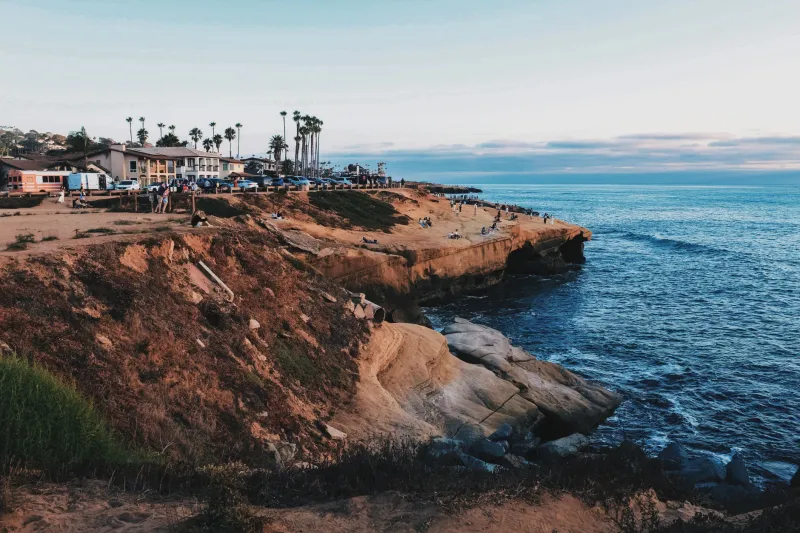
That distinction matters more than it might sound. Sunset Cliffs Natural Park isn't a static postcard. It's a coastal ecosystem that shifts constantly—with the tides, with the seasons, with the behavior of the wildlife that calls the area home. Tourists typically catch one slice of it. Locals catch all of it, over years and decades, and what they experience is a fundamentally different place.
This guide is about that version of Sunset Cliffs. The one that rewards patience and repeat visits. The one that most travel articles never get around to describing.
Why People Keep Coming Back
Before getting into the seasonal specifics, it's worth sitting with the question of why people return to the same place over and over when there's so much of San Diego left to explore.
Part of it is familiarity—the comfort of knowing where to park, which rocks to sit on, which overlook gets the best afternoon light. But longtime visitors tend to describe something deeper than routine. The cliffs become a kind of personal landmark, a place where they can measure the passage of time against something that feels permanent.
"I've been going there since my twenties," says Renata Osei, a Point Loma resident who now visits at least twice a month. "My relationship with it has completely changed. I used to go for the sunset. Now I go for the tide pools in January, for the whale watching in December, for the pelicans in fall. It's like the place keeps offering me new reasons."
That layered experience is what separates a regular from a tourist. And it takes time to accumulate.
Winter: Whales, High Surf, and the Quietest Crowds of the Year
December through February is arguably the most underrated time to visit Sunset Cliffs. The summer crowds are gone, the light angles lower in the sky, and the Pacific is doing something genuinely spectacular: gray whales are migrating.
Every winter, California gray whales make the longest mammal migration on the planet, traveling from Alaska's Bering Sea to the lagoons of Baja California. Their route takes them close to the Southern California coast, and Sunset Cliffs—with its elevated vantage points and unobstructed ocean views—is one of the best land-based whale watching spots in San Diego County.
The peak window runs roughly from mid-December through February. Morning visits on calm days, when the ocean surface isn't too choppy, offer the best visibility. Bring binoculars. Look for spouts first—the exhale spray is usually what gives them away before you spot the body.
Winter also brings bigger surf. When northwest swells arrive, the wave action against the sandstone cliffs becomes dramatically more powerful. The natural blowholes along the park—sea caves and openings in the rock that shoot water skyward when waves surge in—are most active during high surf and high tide combinations.
Spring: Wildflowers, Shorebirds, and Tide Pool Season
Spring at Sunset Cliffs is about the intertidal zone. As tides shift and the season progresses, the rocky shelves below the cliffs become increasingly accessible during low tides, revealing tide pools packed with sea stars, hermit crabs, anemones, and the occasional octopus.
The best tide pool access happens during minus tides—when the water retreats further than usual, exposing reef areas that are normally submerged. These events are predictable; tide charts are available free through NOAA and apps like Tide Alert. Target mornings with a low tide below zero feet for the most expansive views of the intertidal community.
Spring also brings an uptick in shorebird activity as migratory species pass through. Black oystercatchers—with their bright orange bills and loud, piping calls—are year-round residents but become more conspicuous in spring. Western sandpipers and other migratory shorebirds appear briefly during their northward journeys.
"I started keeping a bird list because of Sunset Cliffs," says David Park, a birder and Ocean Beach local. "I've counted over forty species from the cliffs over the years. Most people don't even notice the birds. They're looking at the water."
Summer: The Crowds Arrive—and So Do the Sea Lions
Summer is peak tourist season, and the park reflects it. Parking fills early, the main overlooks get congested by late afternoon, and the vibe is more social than contemplative. For locals, this often means adjusting the timing of visits rather than avoiding the place entirely—early mornings before 8 a.m. or weekday afternoons are the moves.
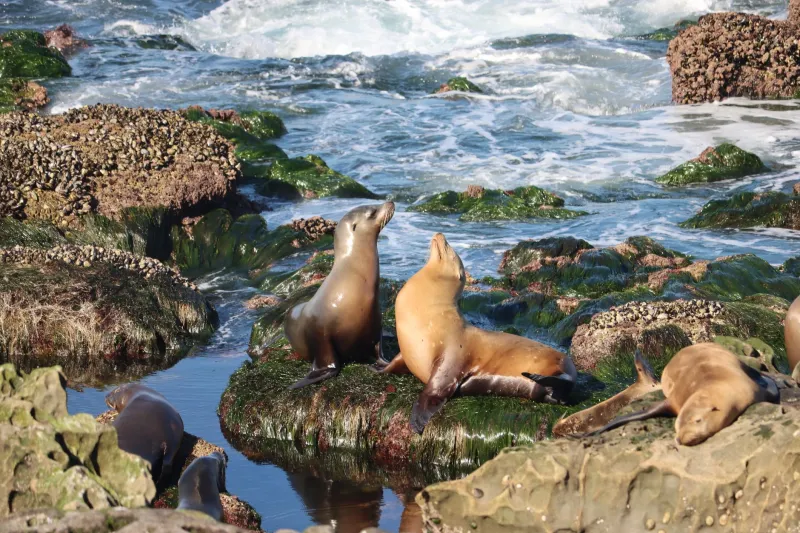
What summer does deliver that other seasons don't: California sea lions. While sea lions haul out at various San Diego locations year-round, summer activity around the Sunset Cliffs area tends to increase. Keep an eye on the rocks below the southern sections of the park, particularly around the natural arches and sea caves. Bring patience. They're not always there, but when they are, they tend to stick around.
Summer is also when the bioluminescence shows up in San Diego's waters on certain nights—a phenomenon caused by blooms of dinoflagellates that glow electric blue when disturbed. It's not guaranteed, but when conditions align (warm water temperatures, large algae blooms), watching waves crash in glowing blue against the cliffs at night is genuinely otherworldly.
Fall: The Local's Favorite Season
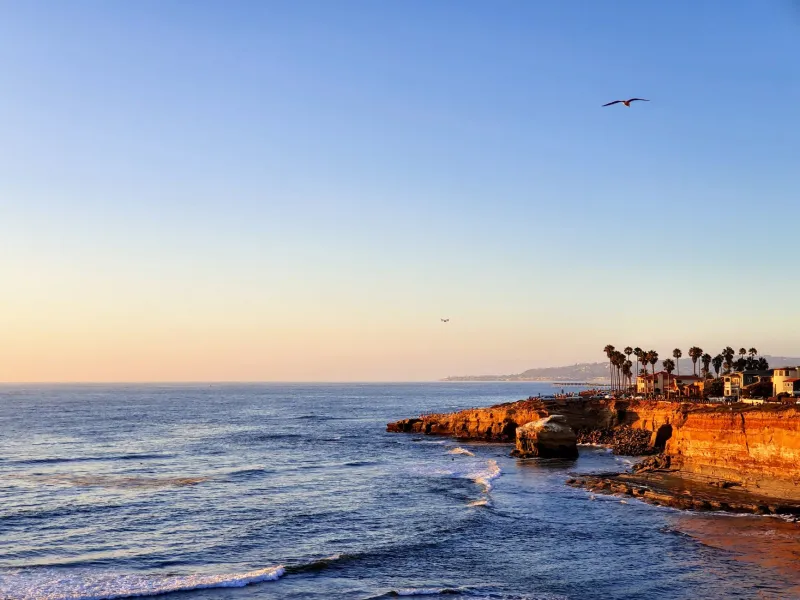
Ask most Sunset Cliffs regulars which season they'd pick and fall wins almost every time. The marine layer has usually cleared by September, the summer crowds have thinned out, and the light angle starts dropping in ways that produce spectacular golden hours again after the high-sun flatness of summer.
Fall also brings brown pelicans. These birds, which were once endangered and have made a remarkable recovery, congregate along the Southern California coast in late summer and fall. Watching a formation of pelicans glide in single file just above the wave surface—barely moving their wings, riding the updraft—is one of those small Sunset Cliffs moments that locals talk about with genuine affection.
Water temperatures in fall are actually at their warmest, making it the best season for snorkelers willing to navigate the rocky entry points. The kelp forests just offshore from Sunset Cliffs support a dense ecosystem, and visibility is often best in early fall before winter swells stir things up.
What First-Timers Miss
The single biggest thing tourists miss is time. One visit gives you a snapshot. What locals have is a time-lapse—a sense of how the cliffs look different at 7 a.m. versus 7 p.m., how they change between January and July, how the tide pools that looked empty last month are full of life this week.
The second thing they miss is slowness. Most first-timers arrive, walk to the overlook, take photos, and leave within an hour. Regulars sit. They stay through the light change. They come back a week later. That's where the deeper experience lives.
If you're visiting for the first time, the best thing you can do is plan a second visit before you leave. Even if it's the next morning, a different time of day will show you a different place. And that's when the relationship starts.