Crumbling at the Edges: The Real Story of Sunset Cliffs' Erosion — and What Every Visitor Should Understand
The Ground Beneath Your Feet Is Moving
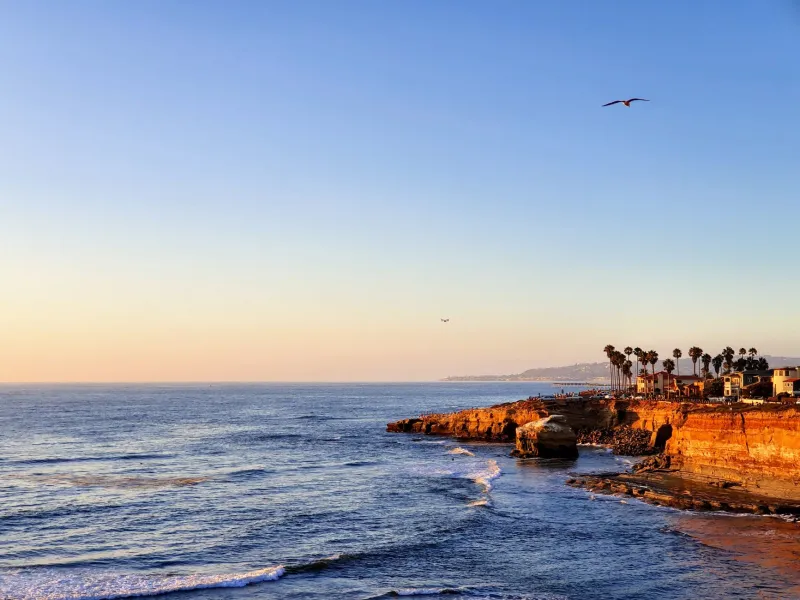
Stand close to the edge at Sunset Cliffs and you're standing on sandstone that formed roughly 70 million years ago — and that is, right now, actively eroding. Not in a dramatic, visible-by-the-minute way, but constantly and measurably. The cliffs lose material every year to wave action, salt spray, seasonal rain, and the slow chemical weathering of rock that's perpetually wet and perpetually exposed to wind.
This isn't a new problem. Erosion is how these cliffs were carved in the first place. But the rate of change has accelerated meaningfully over the past several decades, and the combination of increased visitor pressure and shifting climate patterns has pushed conservation managers at the City of San Diego into a more urgent posture. If you're planning a visit — and you should — understanding what's happening to this landscape makes you a more responsible guest.
How Fast Are the Cliffs Actually Eroding?
Geologists who have studied the Sunset Cliffs coastline estimate average erosion rates of roughly one to three feet per decade in the most vulnerable sections, though this varies considerably depending on the specific formation, wave exposure, and whether a given area has any natural or engineered protection.
That might not sound dramatic. But consider that some portions of the park's pathway system have already had to be rerouted or closed entirely because the cliff edge retreated to the point where the original trail became unsafe. Fencing and warning signs mark areas where the rock has fractured or where undercutting — wave erosion at the base of the cliff that hollows out the rock above — has made the surface above structurally unreliable.
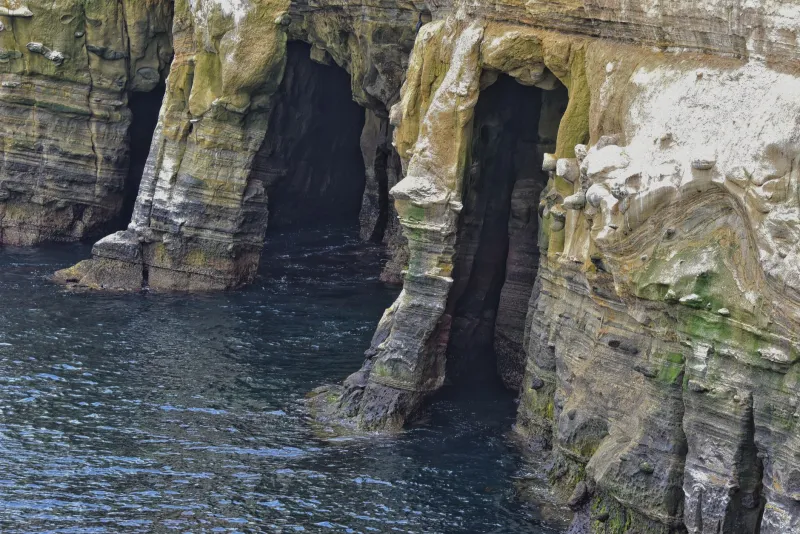
Sea caves, which are one of the most visually striking features of the Sunset Cliffs coastline, are themselves products of this undercutting process. They're beautiful precisely because the ocean has been relentlessly excavating the rock. The same force that creates them eventually collapses them.
What Climate Change Is Adding to the Equation
Erosion at Sunset Cliffs isn't just a geology story — it's increasingly a climate story. Several overlapping trends are making the situation more complex:
Sea level rise is the most discussed factor. The National Oceanic and Atmospheric Administration has projected sea level increases of roughly one to two feet along the Southern California coast by 2100 under moderate emissions scenarios. Higher baseline water levels mean waves reach further up the cliff face during storm events, accelerating undercutting.
Increased storm intensity matters as much as frequency. Even if the number of major Pacific storms doesn't increase dramatically, stronger storms generate larger swells that carry significantly more erosive energy. A single major swell event can remove more material from a vulnerable section of cliff than years of typical wave action.
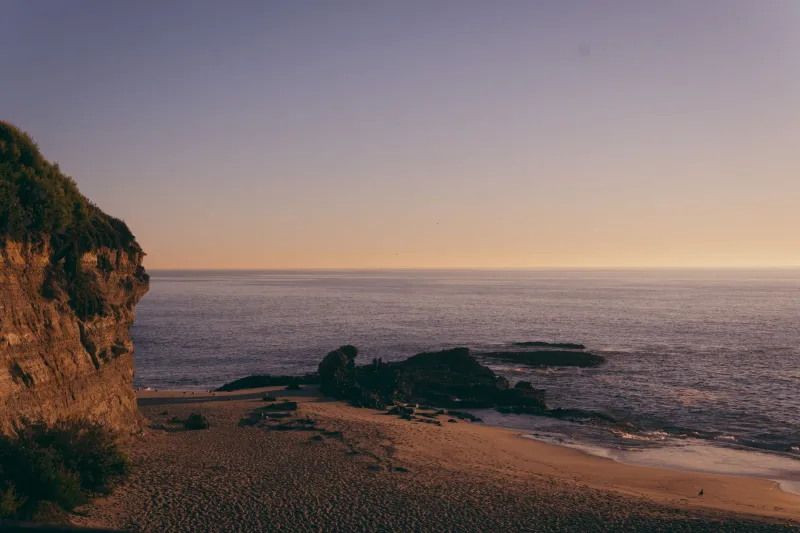
Reduced beach sand is a less obvious but important factor. Beaches act as natural buffers, absorbing wave energy before it reaches the cliff base. As sand supply decreases — partly due to dams and development that interrupt natural sediment transport — that buffer thins, and waves hit the rock harder.
What the City Is Doing About It
The City of San Diego has taken a multi-pronged approach to managing erosion at Sunset Cliffs Natural Park. The park's master plan, developed with input from geologists, environmental advocates, and community members, prioritizes what planners call "managed retreat" in the most vulnerable areas — meaning infrastructure is moved back from the cliff edge rather than hardened against the ocean.
This approach is environmentally sound but requires ongoing investment. Pathway improvements, drainage modifications (improperly channeled stormwater accelerates cliff erosion significantly), and the installation of erosion-resistant ground cover in areas where foot traffic has stripped vegetation are all active components of the management strategy.
The Sunset Cliffs Natural Park Council, a nonprofit advocacy group, works alongside city staff on monitoring, restoration planting, and public education. Volunteer restoration events happen regularly — they're worth looking up if you want to do more than just visit.
The Visitor Responsibility Part
Here's where it gets personal. Individual visitor behavior has a real and documented impact on erosion rates at Sunset Cliffs. A few specifics:
Stay on marked trails and paved paths. The temptation to scramble down to a better vantage point is understandable, but uncontrolled foot traffic on cliff edges and slopes strips vegetation, compacts soil, and accelerates surface erosion. The difference between a vegetated cliff slope and a bare one in terms of erosion resistance is substantial.
Don't sit or stand on the very edge. Beyond the obvious personal safety issue, the outermost edge of a sandstone cliff is typically the most structurally compromised section. Weight and vibration can trigger fractures.
Respect closures. Fenced-off areas exist because geologists or park staff have identified active instability. These aren't bureaucratic overcaution — they're responses to specific observed conditions.
Pack out everything. Litter left on the cliffs and beach doesn't just look bad — organic waste and liquids can accelerate chemical weathering of the rock.
Avoid the cliffs during and immediately after heavy rain. Saturated sandstone is dramatically weaker than dry sandstone. The period following significant rainfall is when cliff falls are most likely.
What You're Actually Protecting
It's worth being clear about what's at stake. The sea caves, the natural arches, the tide pools, the specific sight lines that make Sunset Cliffs photographs so distinctive — all of these are features of a specific geological moment that took millions of years to arrive at and that erosion is continuously, slowly erasing.
Some loss is inevitable. The ocean will eventually reclaim this coastline in ways no amount of management can fully prevent. But the pace at which that happens, and how much of the park remains accessible and intact for the people who will visit it twenty, forty, sixty years from now, is genuinely influenced by the choices made today — by city engineers, by conservation volunteers, and by the millions of individual visitors who show up to watch the sun go down.
Knowing that makes the visit feel a little different. A little more weighted. Which, honestly, seems appropriate for a place this worth protecting.