Walking the Edge: What Sunset Cliffs' Unstable Ground Really Means for Visitors
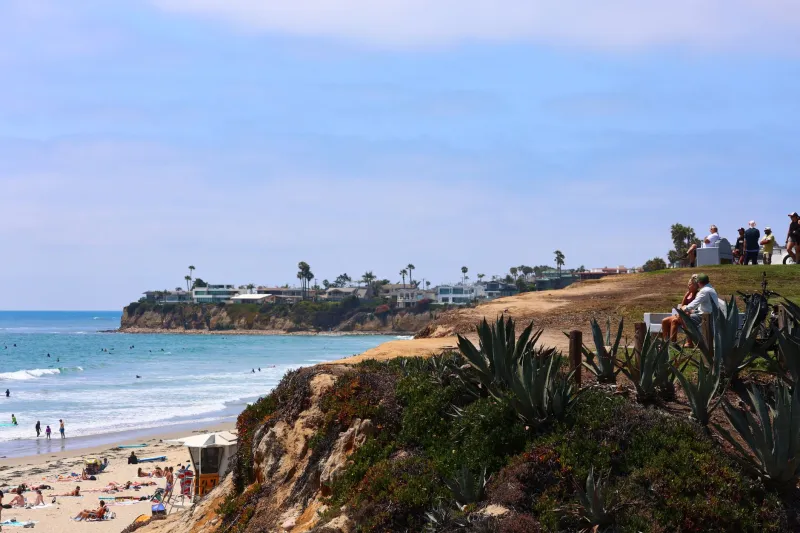
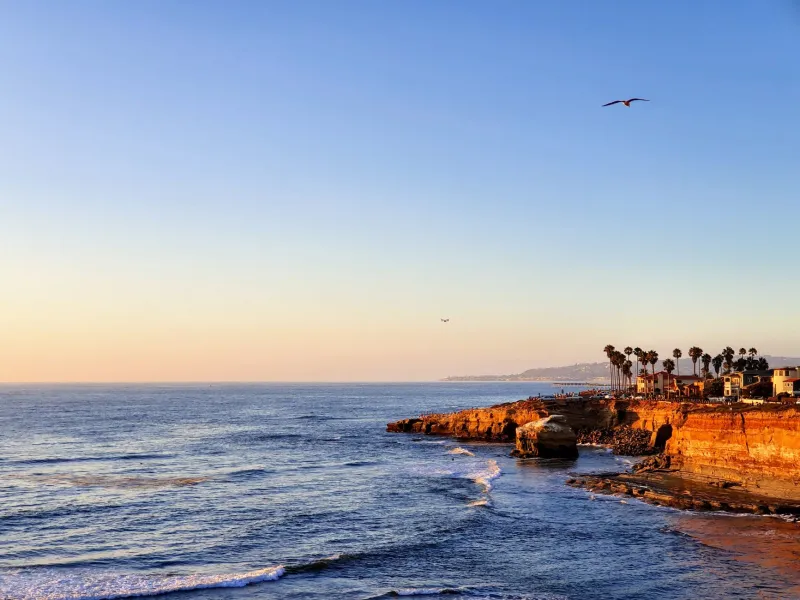
There's a particular kind of thrill that comes from standing close to the edge at Sunset Cliffs. The Pacific stretches out in every direction, the surf pounds the sandstone below, and for a moment, the rest of San Diego feels very far away. It's intoxicating. It's also, depending on exactly where you're standing, genuinely risky — and that tension is something the city, park managers, and safety professionals are increasingly being forced to confront head-on.
Sunset Cliffs Natural Park draws somewhere between one and two million visitors annually. Most of them leave with nothing more than a great photo and a lingering sense of peace. But every year, the bluffs also claim a handful of serious accidents — falls, rescues, and in some years, fatalities. The question isn't whether the cliffs are dangerous. They clearly are. The question is what responsible public access looks like at a site where natural beauty and physical hazard are inseparable.
What the Ground Is Actually Doing
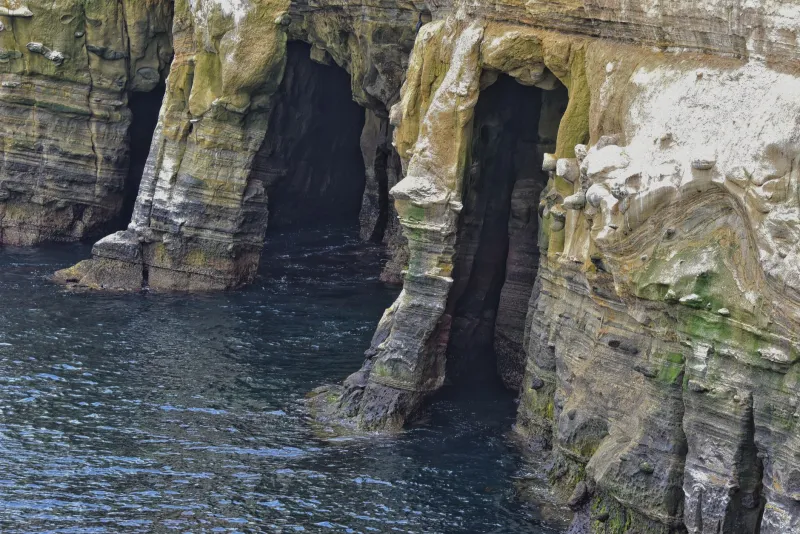
The cliffs at Sunset Cliffs are composed primarily of sedimentary sandstone — a rock type that looks solid from a distance but is, geologically speaking, in a constant state of slow collapse. Wave action undercuts the base, rainwater seeps into cracks from above, and the salt air accelerates weathering on every exposed surface. The result is a coastline that's retreating measurably year over year.
Geologists who study the area note that the erosion isn't uniform. Some sections of the cliffs are relatively stable; others are actively crumbling. The problem for visitors is that it's extremely difficult to tell the difference with the naked eye. A ledge that supported a hundred people last summer might be structurally compromised by this winter's storms. The cliffs don't announce when they've become unsafe.
San Diego's coastal geology team has documented accelerating erosion in several sections of the park, particularly in areas that see the heaviest foot traffic. The irony isn't lost on anyone: the more popular the cliffs become, the more pressure is placed on terrain that's already losing ground to the ocean.
What Rangers Are Actually Dealing With
Park rangers at Sunset Cliffs will tell you that the majority of serious incidents follow a predictable pattern. Someone climbs down to a lower ledge or sea cave to get a better view or a closer photo. The terrain looks manageable on the way down. On the way back up — or when a wave comes in larger than expected — the situation changes fast.
Rangers emphasize that the cliffs' visual drama works against visitor caution. When something looks this spectacular, the instinct is to get closer, to find a more dramatic vantage point, to go just a little further than the last person. That impulse, completely understandable as it is, is precisely what puts people in danger.
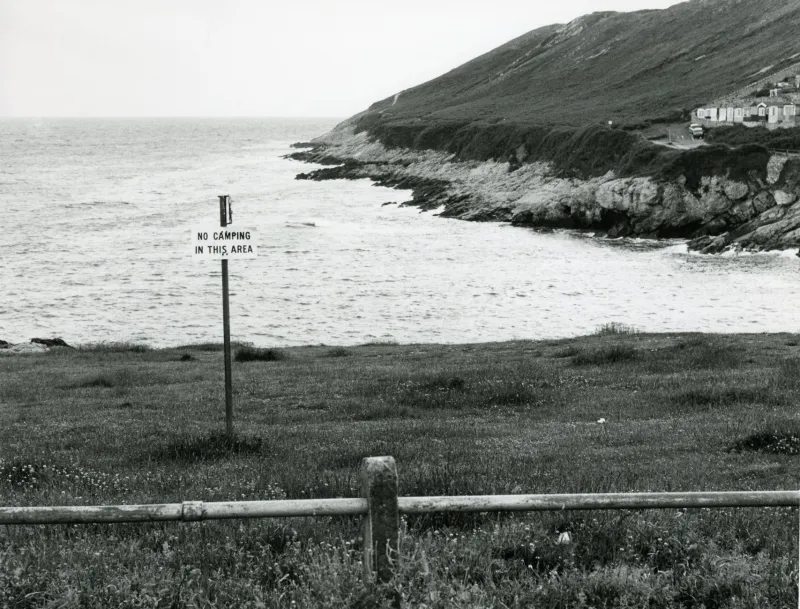
The signage throughout the park is explicit: stay back from unfenced edges, don't climb down to lower ledges, and never turn your back on the ocean near the waterline. Rangers report that a significant portion of rescue calls involve people who saw and ignored those signs — not out of recklessness exactly, but out of a failure to take the warnings seriously.
The Policy Tightrope
City officials and park administrators face a genuinely difficult balancing act. Close off too much of the park and you destroy the very experience that makes Sunset Cliffs worth visiting. Leave everything open and you accept a level of ongoing risk that's hard to defend publicly after a serious accident.
The current approach leans toward preservation of access paired with improved infrastructure — better fencing in the most hazardous sections, clearer signage, and periodic geological assessments to identify newly compromised areas. Some sections of the cliffs have been closed off after inspections revealed dangerous undercutting; others have been reinforced with drainage improvements designed to slow erosion from above.
Risk management professionals who consult on public lands point out that the liability picture is complicated. California's recreational use statutes provide some protection for public land managers when visitors are injured in natural settings, but those protections aren't unlimited — particularly when known hazards haven't been adequately communicated or mitigated.
What Sustainable Tourism Looks Like Here
The honest answer is that sustainable tourism at Sunset Cliffs requires visitors to do more of the work than they might at a traditional park with paved overlooks and guardrails on everything. The cliffs are a natural environment, not a theme park, and the infrastructure reflects that.
Several principles consistently emerge from conversations with rangers, geologists, and safety professionals:
Respect every fence and barrier, even the ones that seem excessive. They're placed based on geological assessments, not aesthetics. If a section is fenced off, there's a specific reason — and that reason is almost always that the ground there is less stable than it looks.
Watch the ocean before you commit to any position near the waterline. Sneaker waves — large swells that arrive without obvious warning — are a documented hazard along this stretch of coast. If you're anywhere near the water, spend a few minutes watching the wave patterns before you settle in.
Reconsider any route that involves climbing down. The lower ledges and sea caves are visually compelling, but the descent is almost always easier than the ascent, and conditions can change while you're down there.
Visit during daylight. The cliffs draw plenty of people at dusk and dawn for obvious reasons. If you're visiting at the edges of daylight, give yourself extra margin — terrain that's easy to read in full sun is much harder to navigate in low light.
Go with someone. Solo visitors who get into trouble at the cliffs have fewer options and slower rescue times than people with a companion who can call for help immediately.
The Bigger Picture
Sunset Cliffs isn't going to become a fully domesticated attraction, and most people who love the place would argue it shouldn't. The rawness — the actual geological drama of a coastline that's visibly alive and changing — is part of what makes it meaningful. You can feel the age and the force of the place in a way that a polished overlook simply doesn't deliver.
But that rawness comes with real responsibility on the visitor's end. The cliffs will keep doing what they've always done: shifting, crumbling, retreating into the sea at their own pace. The question is whether visitors show up with enough awareness to share the space safely.
For most people, the answer is yes. A little knowledge, a genuine respect for the signage, and a willingness to prioritize safety over the perfect vantage point goes a long way. The views from the established pathways are extraordinary — you don't need to climb to the edge to understand why people come here from across the country.
The cliffs will reward careful attention. They just won't forgive the assumption that they're safer than they look.