Below the Bluffs: Inside the Quiet Surf Culture at the Base of Sunset Cliffs
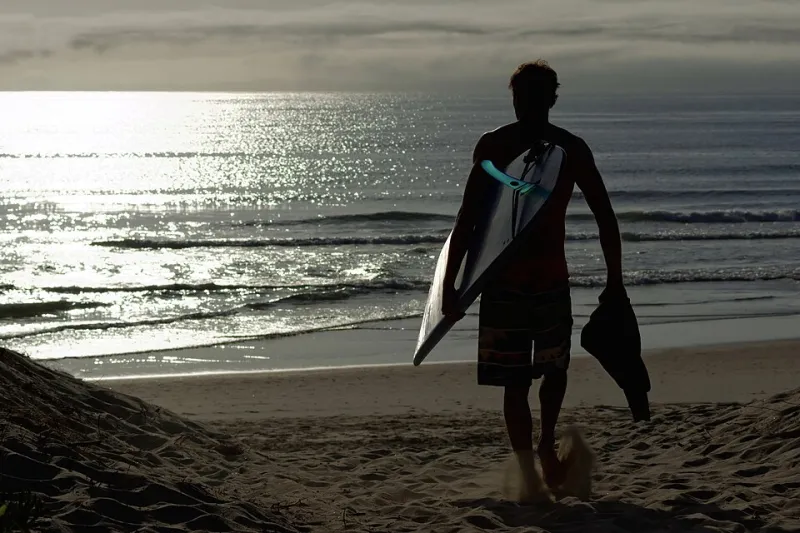
Photo: bigwavephoto, CC BY-SA 4.0, via Wikimedia Commons
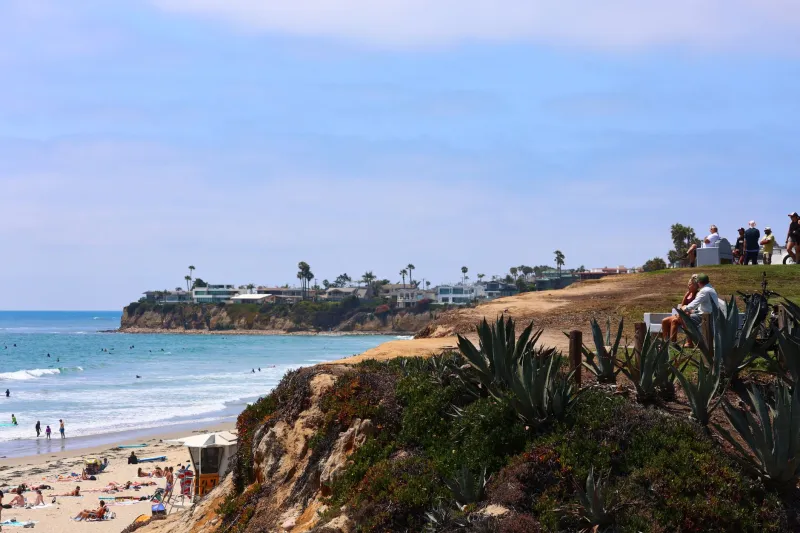
Stand on the bluff trail at Sunset Cliffs and look down. Between the rocks and the kelp, if the light's right, you'll spot them — small dark shapes sitting in the water, waiting. Most visitors never notice them. The surfers below the cliffs prefer it that way.
This is one of San Diego's least-documented stretches of surf, and that's not an accident. But the waves are real, the locals are committed, and for visiting surfers willing to do their homework, it's some of the most interesting water in the county.
What the Waves Actually Are
Sunset Cliffs isn't one break — it's a string of them, scattered along a mile-plus of coastline from Adair Street down toward Ocean Beach. The character changes dramatically with sand movement and swell direction.
The most famous feature is the draw at Garbage Point, where a rocky point picks up west and northwest swells and wraps them into a fast, hollow right-hand wave. On its day, it's a legitimate barrel. Most days, it's a heavy, shallow, rock-strewn challenge that punishes hesitation.
Further along, sandier sections near Adair and the north entrances offer more forgiving beach-break peaks — still punchy, still shallow at low tide, but closer to what an intermediate surfer might survive. When a south swell lines up with the right sand, these spots light up while everywhere else in town is average.
The key variables are tide and swell. Low tide here means exposed rock and closed-out chaos. Mid-to-high tide with a clean west or northwest swell is when the cliffs show their best face.
Getting Down There Is the First Test
There are no stairs. There's no promenade. Access is via a handful of steep, eroded trails cutting down the bluff face — paths that shift after every rain and every big swell. The descent is part of the filter. If you can't comfortably scramble down loose dirt while carrying a surfboard, this isn't your spot yet.
The main access points sit near the ends of Ladera Street, Osprey Street, and Adair Street. Go at mid-tide on a day you plan to surf, and watch someone else make the descent before you commit with your own board. Water shoes or booties aren't optional here — the entry is rocky, and the reef doesn't care about your feet.
Who This Water Is For
Being straightforward: this is not a learn-to-surf beach. There are no rental shops at the base, no soft tops, no instructors. The waves are fast, the bottom is a mix of rock and shifting sand, and the takeoff zones are tight. Confident intermediates can find joy here on the right day, especially in the sandier stretches. Everyone else should build skills at Tourmaline Surfing Park a few miles north — it's the ideal learning ground, and the cliffs will still be here when you're ready.
The Unwritten Rulebook
Every tight-knit surf community has its own code, and the cliffs crew is no exception. A few things worth knowing before you paddle out:
Know the pecking order without being told. The regulars have surfed these waves for decades. They get the best waves by right of tenure. Wait your turn, don't paddle around someone to snag a set wave, and you'll be left alone.
Don't paddle straight to the peak. Sit on the shoulder, catch a couple of smaller waves, earn your way inward. Rushing the lineup is the fastest way to get frozen out.
Respect the kelp. It's a living reef, not an inconvenience. Don't paddle through the middle of it.
Pack out what you pack in — and then some. The locals take the health of this stretch of coast personally, and litter is the one unforgivable sin.
Why the Locals Keep Coming Back
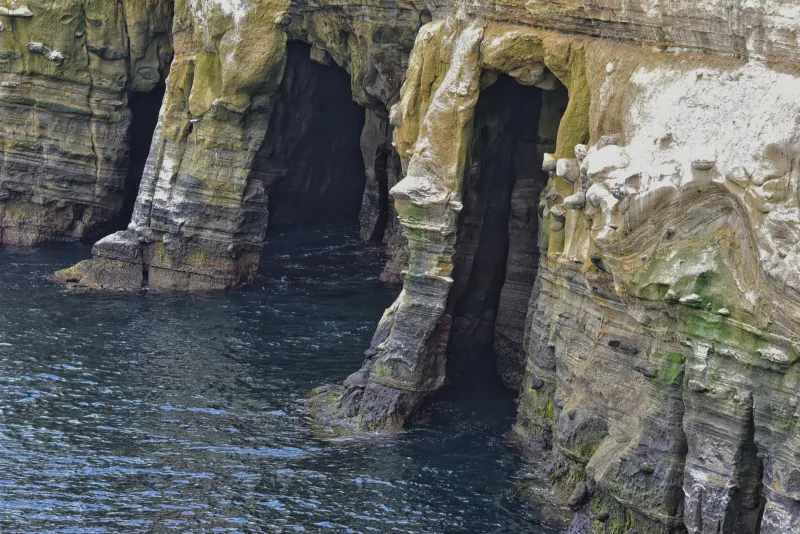
Talk to anyone who's surfed the cliffs for years and the same themes come up: the solitude, the scenery, the sense of surfing below a cathedral of rock while the rest of the city goes about its morning. On a clean winter dawn, with the bluffs glowing orange and pelicans skimming the line-up, it's arguably the most beautiful water in San Diego.
The View From Above Counts Too
Even if you never paddle out, the surf culture here is worth noticing. Watch from the bluff trail near Garbage Point an hour after dawn and you'll see the whole ecosystem at work — the wave-reading, the patience, the quiet nod when someone sticks a heavy drop. It's a reminder that Sunset Cliffs means something different to everyone who comes here. Some come for the sunset. Some come for what the swell left behind at 6 AM.
Both are worth the trip.