What's Actually Living at Sunset Cliffs (And How to Find It)
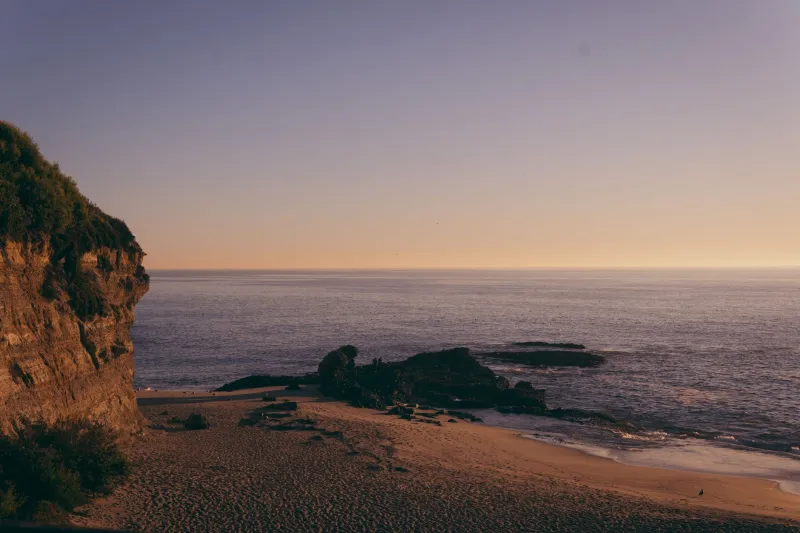
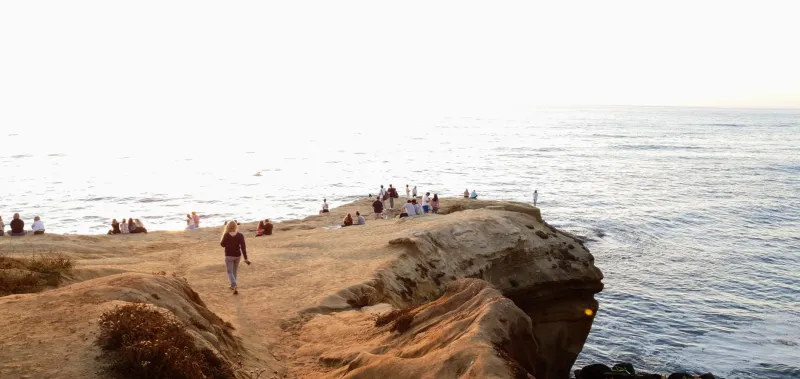
You've probably seen a hundred photos of Sunset Cliffs at golden hour. The warm light, the silhouetted figures, the waves catching fire as the sun drops. It's a genuinely spectacular scene, and nobody's arguing otherwise.
But here's something those photos almost never show: the ochre sea star wedged into a crevice six feet below the overlook. The wandering tattler picking its way across wet rocks at the tideline. The pod of Pacific white-sided dolphins that passes this stretch of coast with enough regularity that local kayakers have started naming individuals. The western snowy plover nesting in the sandy patches near the park's southern boundary.
Sunset Cliffs isn't just a backdrop. It's an ecosystem — and once you start seeing it that way, the experience of visiting changes permanently.
The Intertidal Zone: The Most Biodiverse Strip in San Diego
The rocks visible at low tide along Sunset Cliffs support one of the most species-rich intertidal communities in the entire Southern California Bight. The reason comes down to geology and exposure. The sandstone cliffs create irregular, complex rock surfaces — crevices, overhangs, flat platforms, surge channels — that provide habitat for an extraordinary variety of organisms that need different conditions to thrive.
What you'll find depends on the tide zone you're exploring:
High intertidal zone (the rocks that get splashed but aren't submerged daily): Look for acorn barnacles coating every surface, periwinkle snails grazing on algae, and shore crabs tucked into cracks. This zone looks sparse but is actually densely populated.
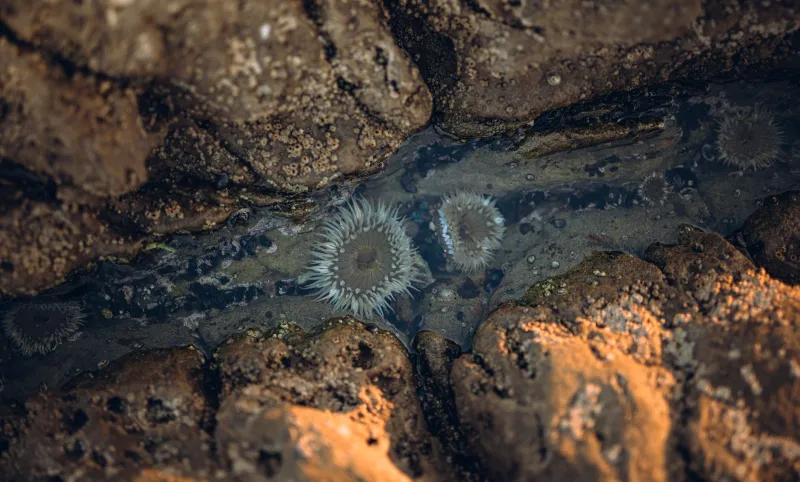
Mid intertidal zone (submerged at high tide, exposed at low): This is where the action concentrates. Aggregating anemones — those rubbery green-gray blobs that look like nothing when dry — open into stunning flower-like forms when the water returns. Owl limpets, ochre sea stars, and bat stars are all common here. Surfgrass (Phyllospadix scouleri), one of the few true marine flowering plants in California, forms dense green mats in this zone.
Low intertidal zone (only exposed at the lowest tides): Accessible only a few days per month during extreme low tides, this zone holds the richest communities — spiny lobster, moray eels in deeper crevices, sea urchins, and the occasional nudibranch if you're patient and looking closely.
Timing your visit: NOAA's tide prediction tables for the La Jolla station (the nearest official gauge) will tell you exactly when low tide falls. You want a tide of +1.0 feet or lower for good intertidal access, and ideally a minus tide (-0.5 or lower) for the most dramatic exposure. These conditions occur in predictable cycles — check the tables before you go rather than showing up and hoping.
Bird Life Along the Cliff Face
Sunset Cliffs sits directly beneath the Pacific Flyway, the major north-south migration corridor for birds moving along the West Coast. That means the species list changes dramatically with the season.
Year-round residents worth keeping an eye out for include Brandt's cormorants (you'll often see them perched on offshore rocks with wings spread), western gulls, black oystercatchers (distinctive with their bright orange bills), and peregrine falcons, which nest on the cliffs themselves and are regularly seen hunting shorebirds along the water's edge.
Winter visitors (roughly November through March) bring surf scoters, common loons, and various species of grebes to the waters just offshore. Brown pelicans — year-round residents in warmer months — concentrate in larger numbers during winter, often flying in tight formation just above the wave faces.
Spring migration (April through May) is arguably the most exciting period for birders. Warblers, flycatchers, and shorebirds moving north can concentrate in the scrubby vegetation along the upper cliff areas. Early morning visits during this window can yield impressive species lists in a very small area.
Photography tip: A telephoto lens (200mm or longer) is essential for bird photography at the cliffs. The peregrine falcons in particular move fast and maintain distance from humans — you'll need reach to get a usable shot. Overcast mornings provide even, soft light that renders feather detail beautifully without the harsh shadows of direct sun.
Marine Mammals: What Passes Offshore
The waters off Sunset Cliffs fall within one of the most productive marine mammal habitats on the West Coast. Common bottlenose dolphins are year-round residents of San Diego's nearshore waters, and they frequently pass within clear viewing distance of the cliffs, especially in the early morning.
California gray whales make their annual migration past this coastline twice a year — southbound from roughly December through February as they head to Baja California lagoons to give birth, and northbound from March through May as mothers and calves return to Alaskan feeding grounds. The northbound migration, when cow-calf pairs travel close to shore, is particularly visible from the cliffs. Bring binoculars and look for the distinctive heart-shaped blow that gray whales produce.
Harbor seals occasionally haul out on the lower rock platforms during very low tides, though they're more reliably found at the Children's Pool in La Jolla. When you do spot one at Sunset Cliffs, maintain a distance of at least 50 yards — they're protected under the Marine Mammal Protection Act, and approaching too closely causes real stress to the animals.
Native Plants and the Coastal Sage Scrub Community
The vegetated areas along the upper cliff margins support a coastal sage scrub community that's increasingly rare in Southern California due to development pressure. Coast buckwheat, lemonade berry, California sagebrush, and coyote brush are all native species you'll find here, many of them blooming in spring and providing critical nectar resources for native bees and butterflies.
This habitat is fragile. Foot traffic off designated paths crushes the root systems of plants that may have taken decades to establish. If you're exploring the cliff margins, stick to existing trails and avoid stepping into the scrub — not because rangers are watching, but because it genuinely matters.
How to Visit Responsibly
The rules for responsible wildlife observation at Sunset Cliffs aren't complicated, but they require some intention:
- Don't collect anything from the tide pools. This includes shells, sea stars, and rocks. It's illegal in California state parks and genuinely damaging to the ecosystem at scale.
- Watch where you step. Intertidal organisms are slow to recover from being crushed. Step on bare rock, not on barnacle-covered surfaces or anemone colonies.
- Keep dogs leashed and away from the tideline. Dogs disturb nesting birds and can harm intertidal animals.
- Photograph without flash in tide pools. The organisms there don't need the stress.
The ecology of Sunset Cliffs has been building for thousands of years. It'll outlast any single sunset — but only if visitors make a habit of treating it with the same attention they'd give the view.